

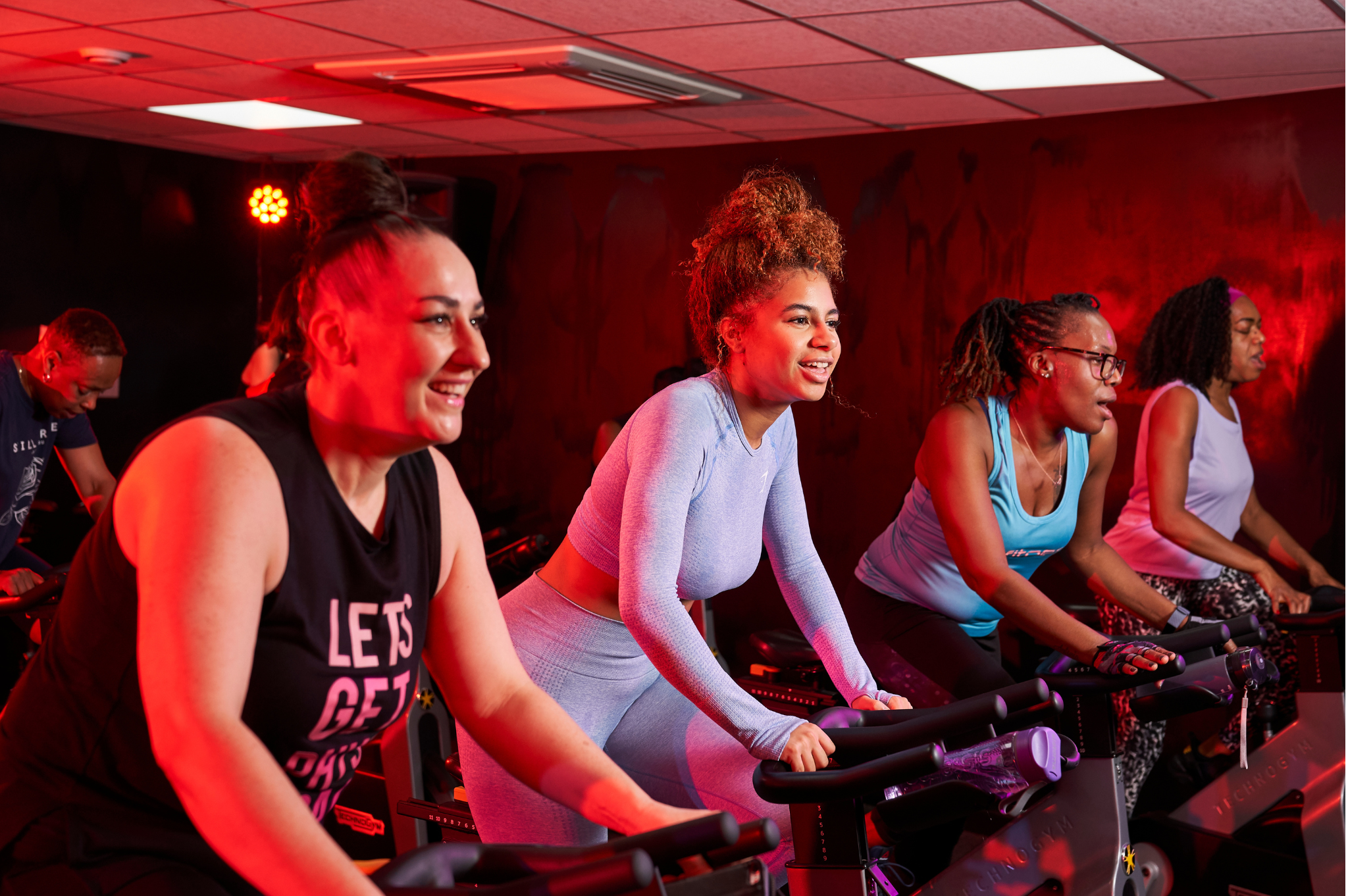
Physical activity brings countless benefits from boosting energy and improving mental health to strengthening confidence and creating community. Yet for many women and girls, safety concerns and unwelcoming environments still prevent them from accessing these benefits fully.
At the February Partner Event – Power Up Partnership, this topic came up again and again. We heard from many activity leaders who told us that whilst opportunities for women and girls are increasing, the deeper challenge is helping women and girls feel comfortable enough to show up, take part and stay engaged. It’s an issue that resonates widely across the sector which can only change if we all tackle it together.
Ukactive and Sport England’s This Girl Can recently published a new resource as part of their Safer Spaces to Move campaign, designed to help women and girls to feel safer and more confident while being active in gyms, fitness and leisure facilities.
What Gym, Fitness and Leisure Facility Operators Can Do:
Research shows that safety concerns are still a major barrier. 42% of women have experienced sexual harassment or intimidation in a gym or leisure centre, for young women aged 16–24, that rises to a staggering 83%. For gyms, activity leaders and fitness and leisure operators, creating safer and more welcoming environments for women and girls is not only a safeguarding responsibility, it’s a powerful opportunity to increase participation, build trust and strengthen community.
Women and girls aren’t simply looking for facilities, they’re looking for spaces where they feel:
- Safe
- Respected
- Included
- Free to move without judgement or worry
When these needs are met, participation rises, confidence grows and the gender gap in physical activity begins to close.
Here are practical steps facilities can start implementing right now:
- Make Your Expectations Visible: Women feel more secure when they know the space is actively managed. Displaying clear behaviour and anti‑harassment policies at entrances, in changing rooms and across social channels sends a strong signal that respect is non-negotiable. Also Including information about unstaffed hours and alternative contact information for members can make them feel safer.
- Train Staff to Notice and Intervene: Frontline staff often scee small issues before they escalate. Equipping them to respond confidently, professionally and sensitively.
- Review the Layout of Your Space: Simple changes like improved lighting, clear sightlines, or adjusting equipment placement, can dramatically improve comfort and perceived safety.
- Provide Easy, Anonymous Reporting Options: Women are more likely to report incidents when the process is simple and discreet. QR code forms, dedicated email addresses or named safeguarding champions can remove the fear of making a complaint.
- Encourage a Culture of Respect: Safety improves when everyone in the facility understands the standards. Campaigning positively through posters, signage, staff language and social media helps set the tone and can shift behaviour across the whole community.
- Celebrate and Amplify Women’s Voices: Invite women and girls to shape the environment from timetable planning to feedback on kit layout or signage. When women feel heard, they feel valued and they return.
Safer Spaces to Move Resources:
Explore the full Safer Spaces to Move resource to access guidance, tools and practical steps that can help you create an environment where every woman and girl feels confident, welcome and safe to get active: All Resources